
The SUPPORT-SYSTEMS team
Article
|Published
A partnership between the Norwegian Institute of Public Health, University of Ghana, KEMRI Wellcome Trust in Kenya, Health Information for All (hifa.org) and People’s Health Movement-Kenya.
SUPPORT-SYSTEMS is a collaboration between several academic partners and two civil society organizations. The academic partners are Norwegian Institute of Public Health, University of Ghana, the KEMRI-Wellcome Trust Research Programme in Kenya, the Norwegian University of Science and Technology (NTNU), Western Norway University of Applied Sciences (HVL) and the University of Oslo.
In addition, the collaboration involves Healthcare Information for All (hifa.org) and the People’s Health Movement–Kenya. Engagement with participants from these two civil society organizations has been valuable for ensuring that the project’s questions and focus remain relevant, sensitive, and responsive to the needs of those working to bring evidence into health policymaking from a civil society perspective.
|
Researchers from the Norwegian Institute of Public Health |
|
|
|
|
Unni Gopinathan is the Principal Investigator of the project for the Norwegian partner institutions. He is a scientist in the Centre for Epidemic Interventions Research and the Cluster for Global Health at the NIPH, focusing on impact evaluation of public health and social measures for epidemic responses, how evidence can inform decisions about financing, governing and organizing health systems and participation of public in such processes. |
|
|

|
Elizabeth Peacocke is a health systems researcher in the Cluster for Global Health at NIPH. She is currently undertaking her PhD in political science, focused on public participation in health policy processes. | |
|
Researchers from the Norwegian University of Science and Technology (NTNU) |

|
|

|
Simon Lewin is Professor of Health Management and Health Systems and co-investigator based at NTNU. He brings extensive experience in health policy and systems research, with a focus on how evidence, and especially systematic reviews of qualitative evidence, can be used to strengthen health systems. |
|
|
Researchers from the Western University of Applied Sciences |

|
|
|
|
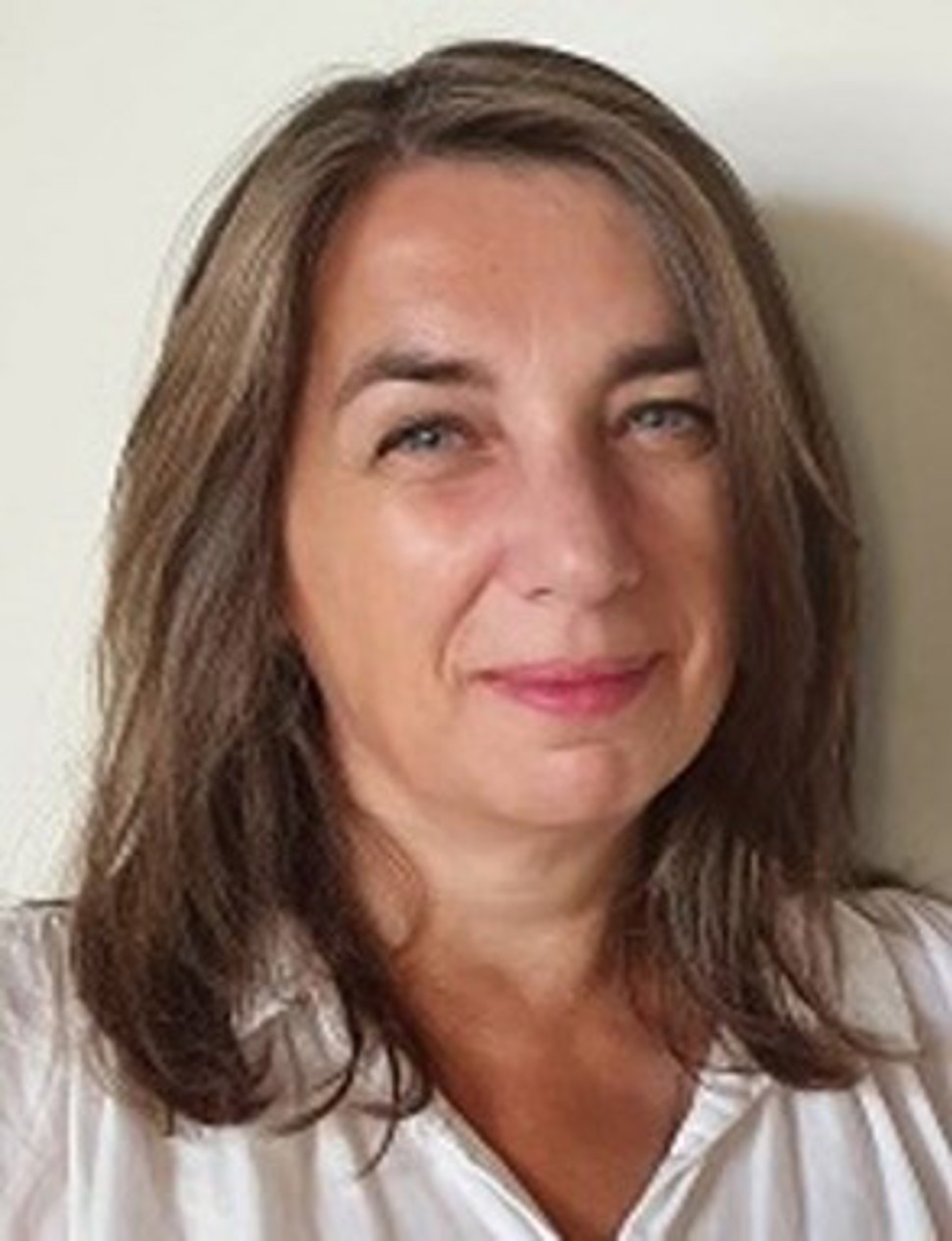
Claire Glenton is Professor of Evidence-Based Healthcare, with extensive experience in conducting systematic reviews and developing methods to support their use in informing health systems guidelines and policy. | |
|
Researchers from the University of Ghana |

|
|
|
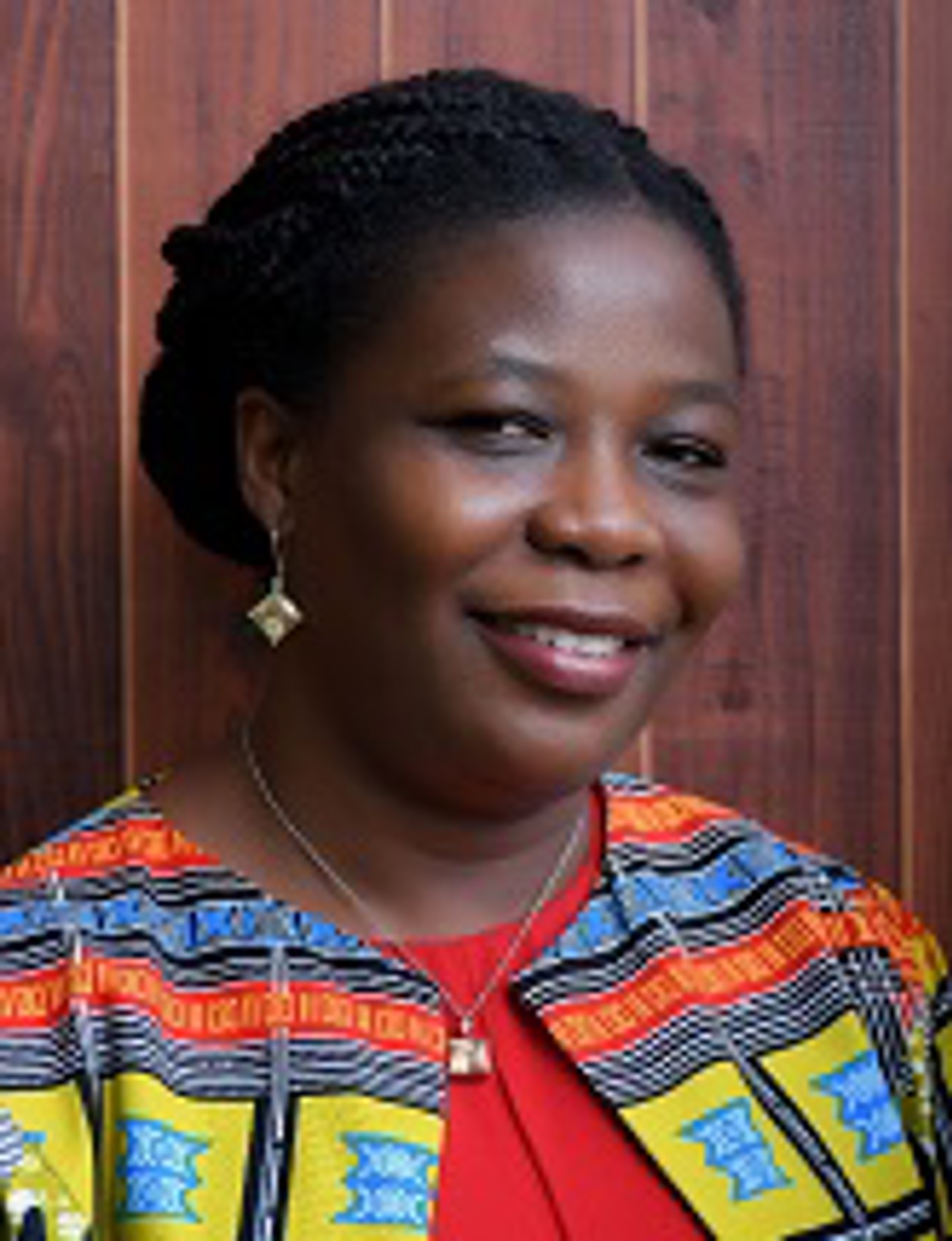
Augustina Koduah is Associate Professor of Health Policy and Systems and Pharmacy Practice. She has expertise on health policy and systems research, pharmaceutical policy evaluation and extensive experience supervising master’s and PhD candidates. She is the co-Principal Investigator from the team in Ghana. |
|
|
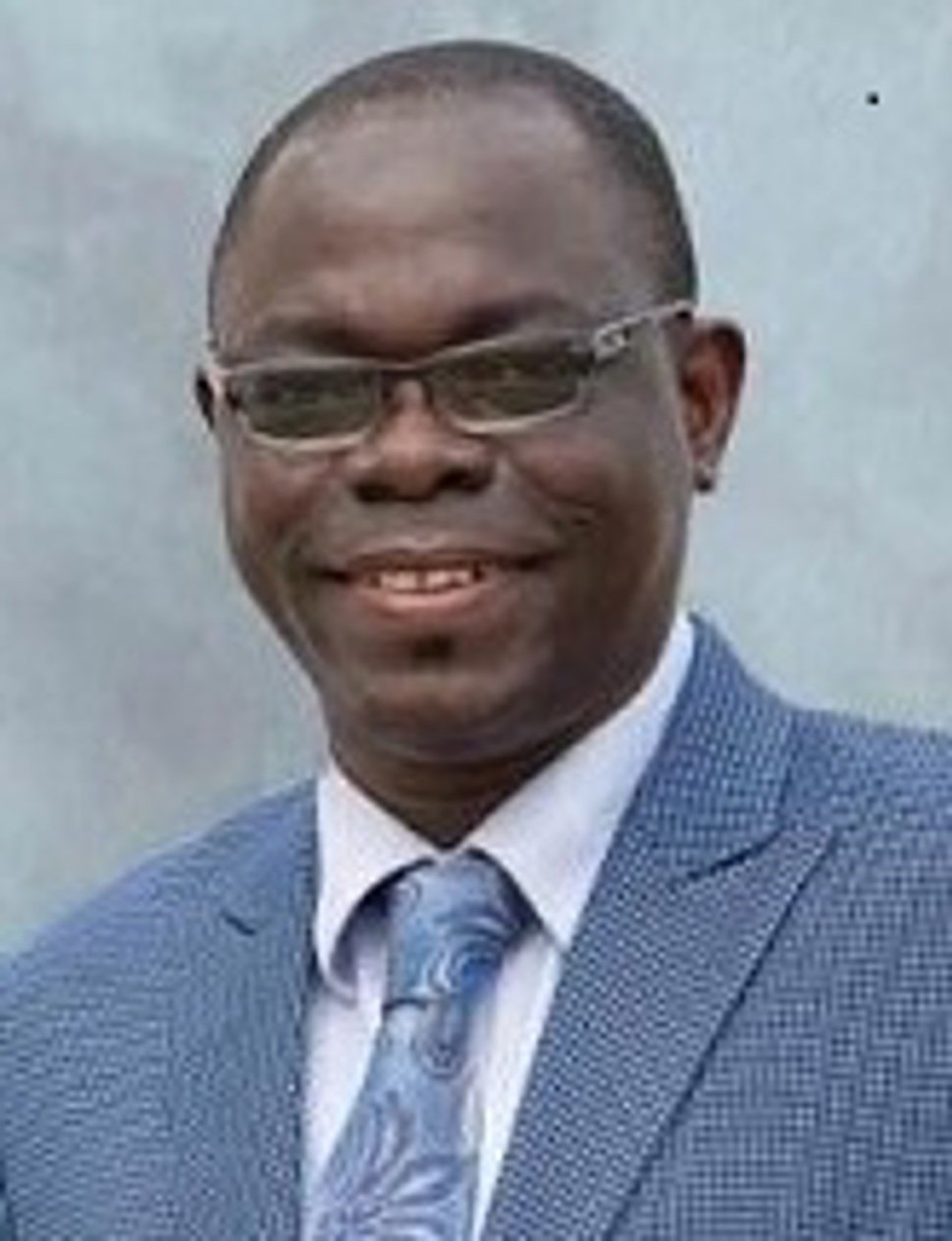
Justice Nonvignon is Professor of Health Economics at the University of Ghana and currently Technical Director for Primary Health Care Efficiency and Effectiveness with Management Sciences for Health. He brings extensive experience with generating evidence to support priority-setting decisions, including through his recent role as the Founding Head of the Health Economics and Financing Program at the Africa Centers for Disease Control and Prevention (Africa CDC). | |

|
Genevieve Cecilia Aryeetey is Associate Professor and Head of Department of the Department of Health Policy, Planning and Management at the University of Ghana. Her areas of expertise include health financing, financial risk protection and monitoring and evaluation of health policies. | |

|
Daniel Nana Yaw Abankwah is a PhD candidate from the University of Ghana. He has prior experience from research development and research on health financing and evaluation of health programs and has worked as Research Development Officer at the University of Ghana. | |
|

|
Doris Ottie-Boakye is post-doctoral fellow in the SUPPORT-SYSTEMS research project. She has previous research experience from exploring effectiveness of health insurance schemes in mitigating financial burden on patients, exploring women’s satisfaction with health services and determinants of the use of antenatal care and continuum of care in maternal, newborn, and child health programs. | |
|
Researchers from KEMRI-Wellcome Trust Research Programme |

|
|

|
Benjamin Tsofa is a Senior Principal Research Scientist in health policy and systems research at KEMRI-Wellcome Trust Research Programme, focusing on applying systems thinking and theories in examining various aspects of the organization and functioning of health systems. He is the co-Principal Investigator from the team in Kenya. |
|
|
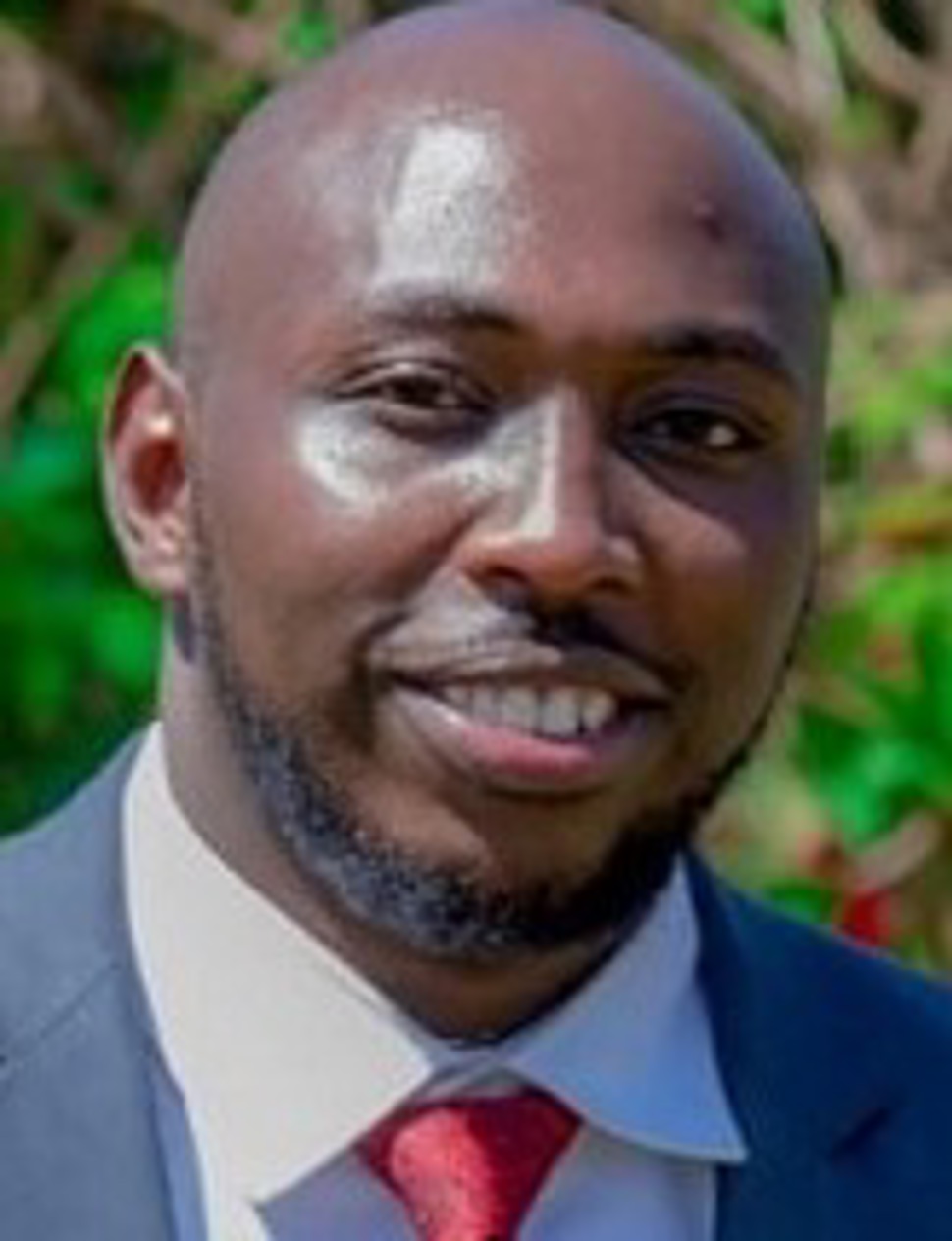
Dennis Waithaka is the PhD candidate from KEMRI-Wellcome Trust in Kenya. He has previous experience from health policy and systems research, focused on health financing, priority setting and health systems responsiveness. He holds a Bachelor's Degree in nursing from the University of Nairobi, certified in emergency obstetrics and neonatal care. | |

|
Nancy Kagwanja is a health policy and systems researcher at KEMRI Wellcome Trust, focused on health policy implementation, resilience, and governance. She has worked with mid-level health managers in Kenya examining coping mechanisms to stressors on human resources for health, governance, budgeting, and priority setting and its impact on the wider health system. | |

|
Jacinta Nzinga is currently Senior Lecturer at Liverpool School of Tropical Medicine. She was previously health systems and policy researcher with the KEMRI-Wellcome Trust Research Programme in Nairobi. Her research has focused on health worker behavior, organizational change in hospitals, and leadership development, with a particular interest in health system leadership, policy engagement, organizational behavior, and the governance and performance of human resources for health. |
|
|
Researchers from the University of Oslo |

|
|
|
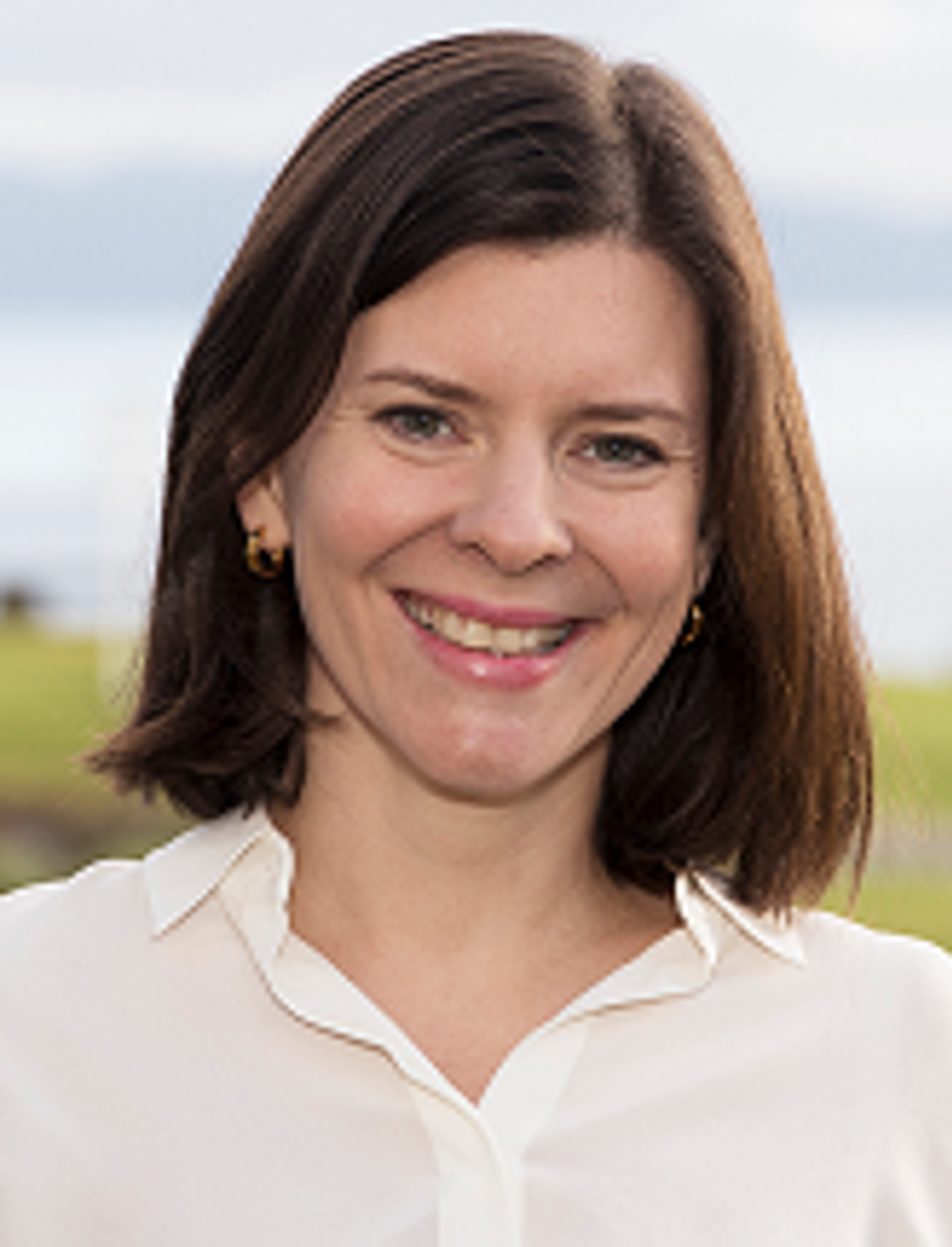
Katerini Storeng is Professor of medical anthropology and global health at the Centre for Development and the Environment. She leads the Global Health Politics research group, which focuses on the political dynamics and power structures that shape health policy and practice at global, national and local levels. With a grounding in medical anthropology, her current research focuses on how global public-private partnerships, private foundations and corporations are reshaping global health governance, knowledge production and policy-making. | |
| Project collaborators from People’s Health Movement-Kenya |

|
|
|
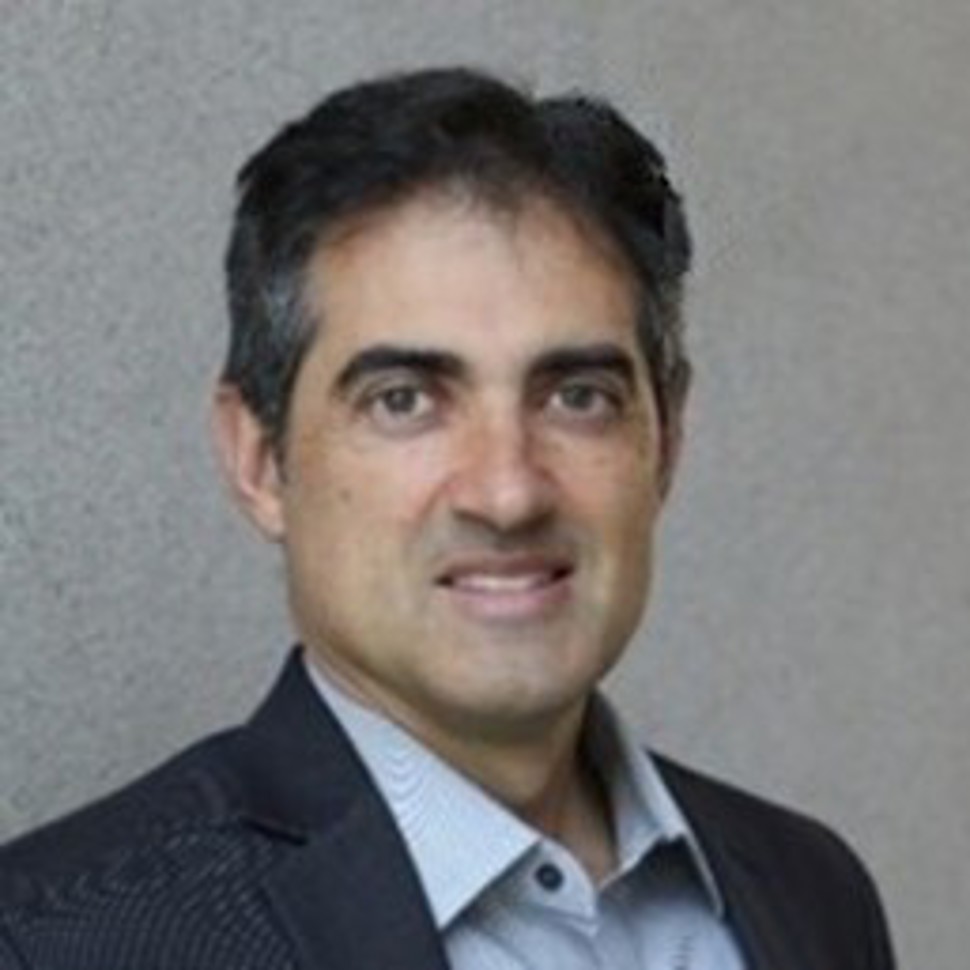
Ravi Ram is a strategic planning and monitoring and evaluation expert based in Kenya. He is also an activist with the People’s Health Movement and co-chair of WHO's Civil Society Commission. His work focuses on gender-responsive, equity-focused international development, applying a gender, equity, and social inclusion lens to strengthen social accountability in sectors such as health, nutrition, water, sanitation & hygiene, education, and child protection. |
|
|
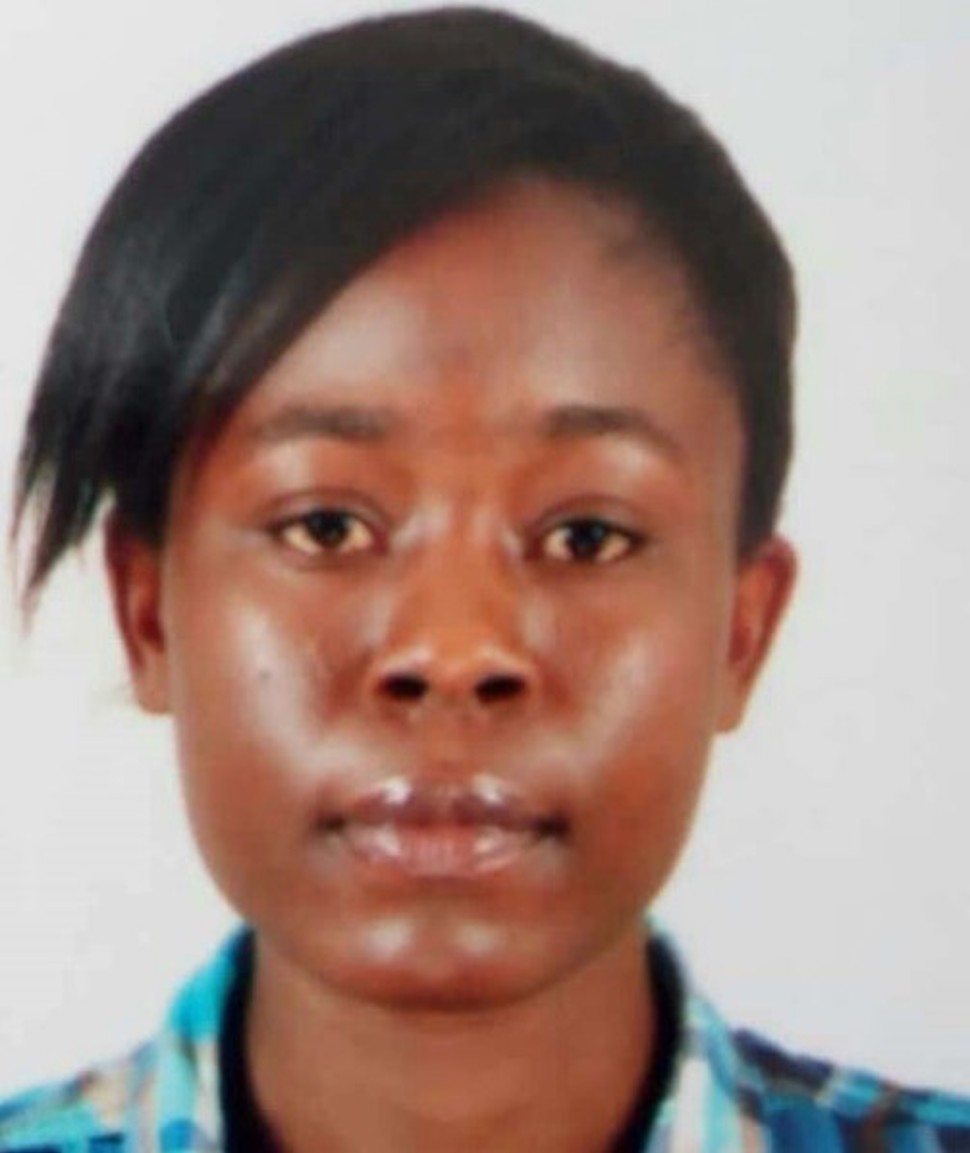
Peninah Khisa is a health activist from Kenya and Director of Social Development Through Community Action (SODECA) with a back-ground in Development Studies. Her work involves raising awareness and action of health rights for people around Kenya. She served as Regional Representative for the People’s Health Movement in East and Southern Africa from 2018-2025. |
|
|
Project collaborators from Healthcare Information for All (HIFA) network |
|
|
|
Neil Pakenham-Walsh is the coordinator of the HIFA (Healthcare Information For All) campaign and co-director of the Global Healthcare Information Network. A former hospital doctor in the UK and rural health worker in Ecuador and Peru, he has spent the past 20 years focused on improving access to reliable healthcare information in low- and middle-income countries. He advocates for inclusive, interdisciplinary communication to address global health and development challenges. | |