Meeting report: HSR2024 –Advancing equity and inclusion in health systems through increased use of civil society knowledge
Article
|Published
The 8th Global Symposium on Health Systems Research in Nagasaki, Japan, welcomed over 1500 participants from all over the world. Since the first conference in 2008, this event has become the central hub for those engaged in systems- and policy-oriented research to inform health policy decisions.
The session “Advancing equity and inclusion in health systems through increased use of civil society knowledge” was organized by the SUPPORT-SYSTEMS research consortium*, with UHC2030 and the Palladium Group as co-hosts. Taking place early in the morning at 8 AM on Thursday the 21st, and despite the heavy jet lag affecting attendees traveling from the Western Hemisphere, a considerable number of people turned up to listen.
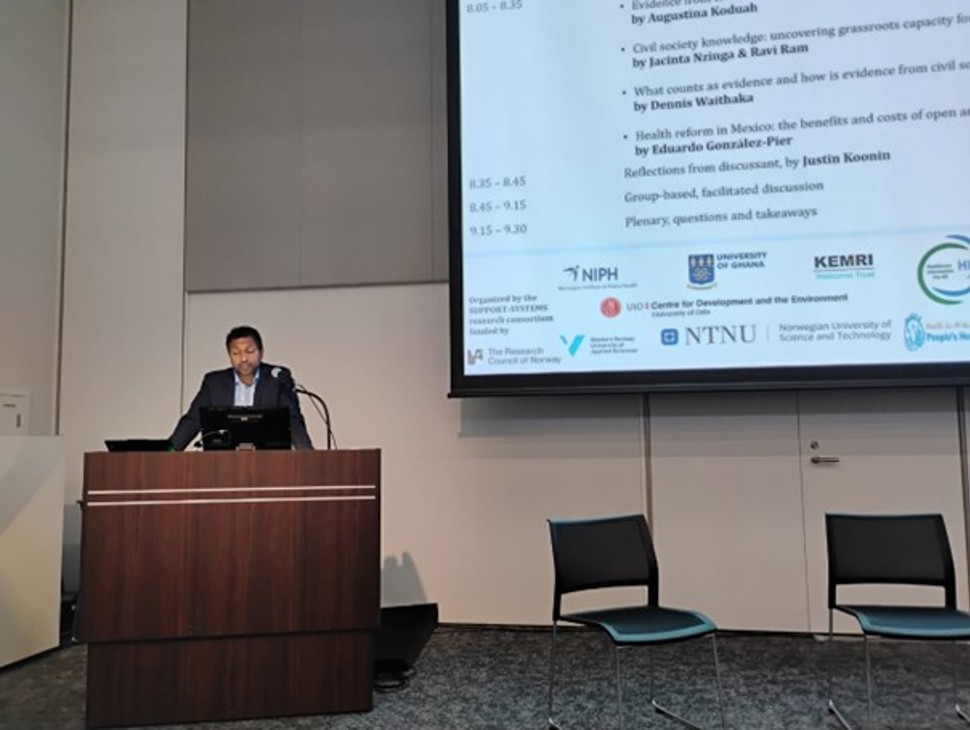
The moderator Unni Gopinathan from the Norwegian Institute of Public Health, and one of the co-PIs of the SUPPORT-SYSTEMS research collaboration, introduced the session. He explained the main topic the session is concerned with: exploring the connection between two valued goals in the pursuit towards universal health coverage; (1) informing decisions with the best available evidence; (2) participation of people, communities and civil society in the decisions affecting them. To some extent, these goals are pursued independently, each with its own research agendas and communities of practice. However, the opening presentations would demonstrate that these goals are deeply interconnected, and exploring this connection can highlight the often-underappreciated value of evidence from civil society in shaping health policy decisions.
|
|
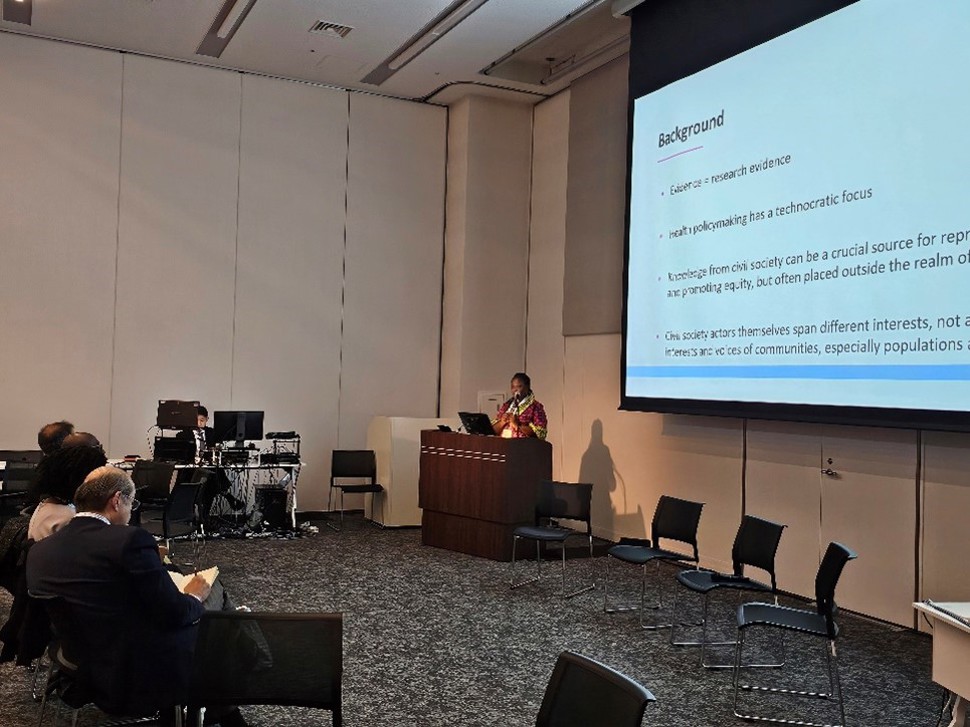
Augustina Koduah from the University of Ghana followed on from Unni to introduce the session’s basic motivation. The concept of evidence is often equated with research evidence, excluding other sources of knowledge and reinforcing a technocratic approach to health policymaking. This focus can conflict with other important policymaking goals, such as ensuring public voice in decisions to promote inclusiveness and accountability. While knowledge from civil society is a vital resource for representing public interests and promoting equity, civil society actors represent diverse and sometimes conflicting interests, which do not always align with the values, priorities, or voices of disadvantaged communities. This creates challenges for decision-makers in fairly incorporating this knowledge into their processes. Core questions to be explored by the presenters were then introduced: (1) What are the unique sources of knowledge that civil society bring to health policymaking; (2) What are the benefits and challenges of using this source of evidence; (3) Under what conditions does it contribute to inclusion, equity and accountability?
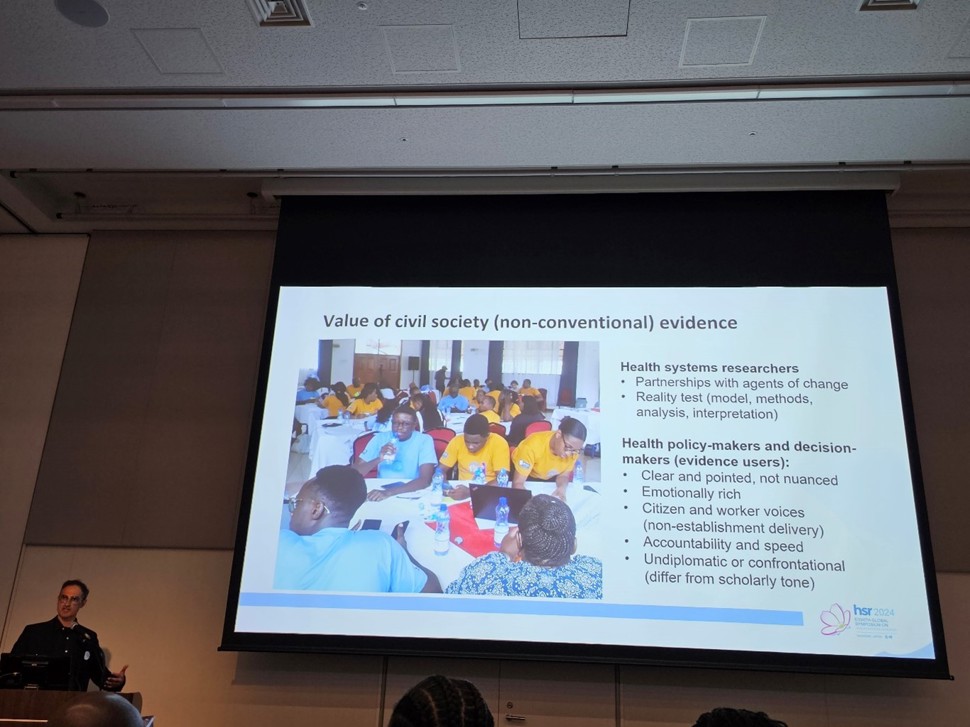
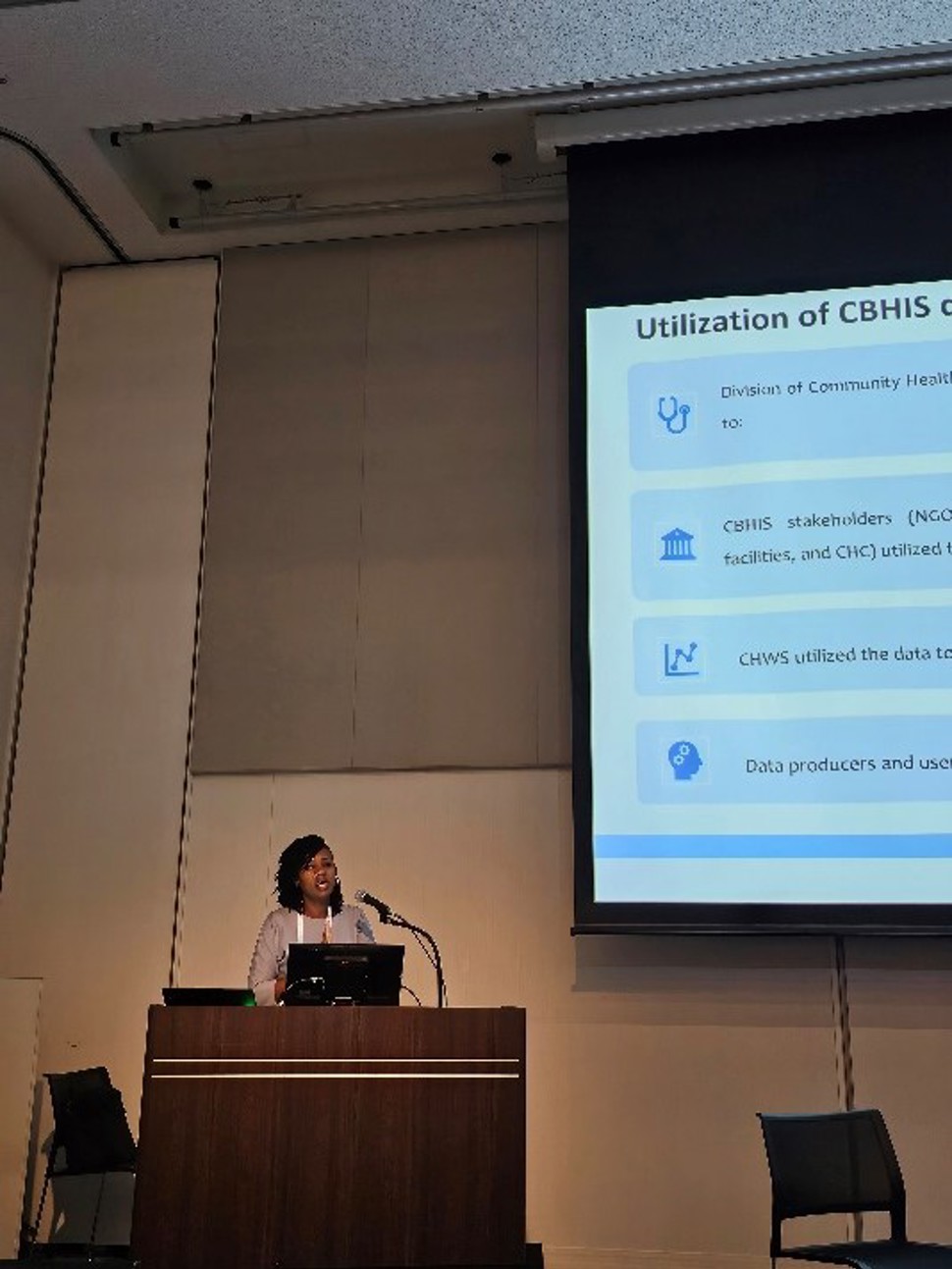
Jacinta Nzinga from Liverpool School of Tropical Medicine & KEMRI Wellcome Trust and Ravi Ram from People’s Health Movement-Kenya and Co-Chair of the WHO Civil Society Commission shared insights to grassroots capacity for monitoring and accountability in health systems. They complemented each other’s presentations by highlighting how civil society actors contribute to formal data collection systems and, from a research perspective, with unconventional sources of knowledge. Jacinta shared scoping review findings of how contributions to community-based health information systems primarily come from community health workers, while other sources of community knowledge about health services are rarely collected. Of particular importance was the access provided to this data within the communities; it was mainly community health workers who had access. In comparison, limited community participation in using this data reduced their involvement in developing health interventions that align with local needs. Community dialogues – a commonly used strategy for community engagement and data sharing - were implemented in a supply-driven way that did not foster the agency of community members.
Ravi highlighted the breadth of knowledge contributed by civil society, spanning from documented insights in grey literature to the real-time sharing of grassroots perspectives, lived experiences, and unfiltered discussions, and emotions—whether through daily interactions, social media, or other forums. He emphasized the emotionally rich contributions from civil society that researchers are not typically familiar with engaging and noted that using non-conventional evidence from civil society requires engaging with its often direct and confrontational tone, which differs from the scholarly tone that researchers are used to. In his concluding remarks, he urged health policy and systems researchers to embrace the activist nature of the evidence they generate and to recognize the continuum that exists between the researcher drafting scientific articles from a laptop to the civil society activists driving transformation and change toward universal health coverage—often supported by the very evidence produced by the researcher.
Dennis Waithaka, PhD candidate from KEMRI Wellcome Trust, explored use of evidence from civil society in HPV & malaria vaccines introduction & roll-out. He demonstrated that evidence spans from local to global and unconventional to scientific, arguing for the relevance of civil society contributions in vaccine decisions, traditionally a technocratic domain. He explained how the introduction of interventions, like vaccines, occurs in "social" or "human" systems that are both rational and emotional, with civil society evidence contributing to the emotive aspects that can foster acceptability. Research can represent people’s views and values, but physical presence remains vital due to limitations in representation, evolving perspectives, and decisions made by those present. Power asymmetries, shaped by dominant discourses, institutional structures, relationships, resources, and individual agency, influence how civil society evidence is generated and used.
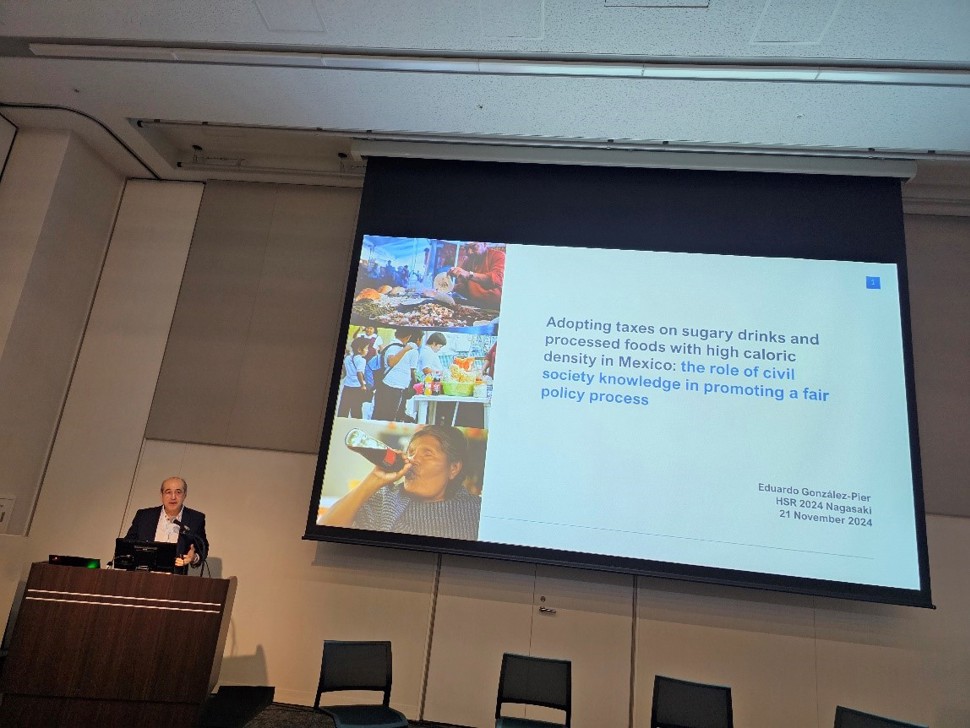
Eduardo González Pier, from Palladium and former Deputy Minister of Health in Mexico, situated the value of evidence from civil society within a broader framework of procedural fairness in policymaking. He emphasized that public voice is essential for equitable health policies to gain the public and political support needed to endure over time and deliver expected benefits. Using the introduction of the tax on sugar-sweetened beverages in Mexico as an example, he argued that civil society played a vital role in (1) leveling the playing field when public policy is influenced by vested interests and (2) providing critical evidence that strengthened policymakers’ defense of the proposed policy. Key characteristics contributing to civil society influence on fiscal policy was (1) being well-organized; (2) having financial resources, including external contributions; (3) connections with legislative representatives.
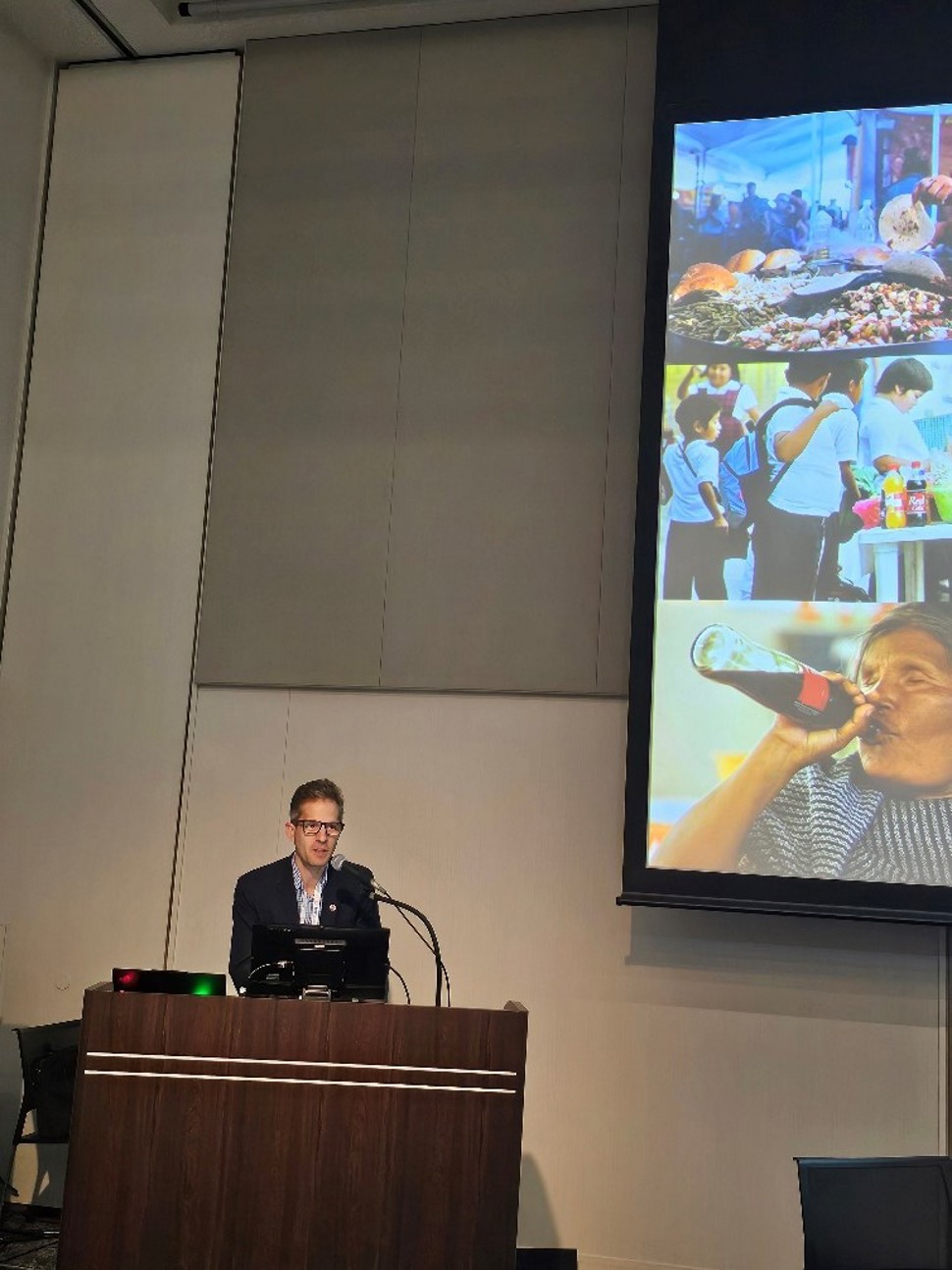
Justin Koonin, civil society advocate, current member of the UHC2030 Movement Political Panel and former Co-Chair of UHC2030, came in as the discussant tasked with identifying the shared narrative across the opening presentations. He highlighted three key themes and takeaways. First, platforms for eliciting and collecting knowledge from civil society must make sure of expanding the agency of civil society actors, requiring attention to asymmetries in different sources of power. Valuing civil society’s evidence-generating role means expanding civil society’s agency. Second, he argued that the opening presentations made a compelling case for promoting an expanded understanding of who a health activist is, recognizing that the role can range from protesting in the streets to generating evidence to delivering technical expertise to health policymaking processes. Finally, he highlighted the value of civil society in connecting with the audience. What is considered admissible evidence in political spaces often differs from researchers’ perceptions of evidence; civil society can communicate evidence in a way that aligns more closely with public values and strengthens political support for progress toward UHC. In closing, Justin referenced the UHC2030 report on the State of Commitment to Universal Health Coverage, urging the SUPPORT-SYSTEMS collaboration to contribute insights that are valuable to these global processes.
Several questions were raised during the discussion session, including a fundamental challenge posed by a representative of a civil society actor: Why is it necessary to demonstrate the value of civil society in this way? Isn’t the value of civil society obvious and does not a session like this implicitly suggest that the value of civil society is being questioned? Would the roles of government or media be questioned in the same manner?
In closing the session, Unni Gopinathan responded by affirming, that the value of civil society is unquestionable, and neither the session nor the underlying research project aims to question that value. Instead, the focus on civil society’s role in generating evidence addresses a significant observation across various contexts: health policymaking has increasingly become a technocratic space. Researchers, among others, have contributed to this shift, leading to a narrower understanding of the types of knowledge considered valid in these settings. Exploring the evidence that civil society brings to health policymaking is thus not about questioning its value; it’s about shining a light on a vital contribution that has often been overlooked in driving critical decisions toward universal health coverage.
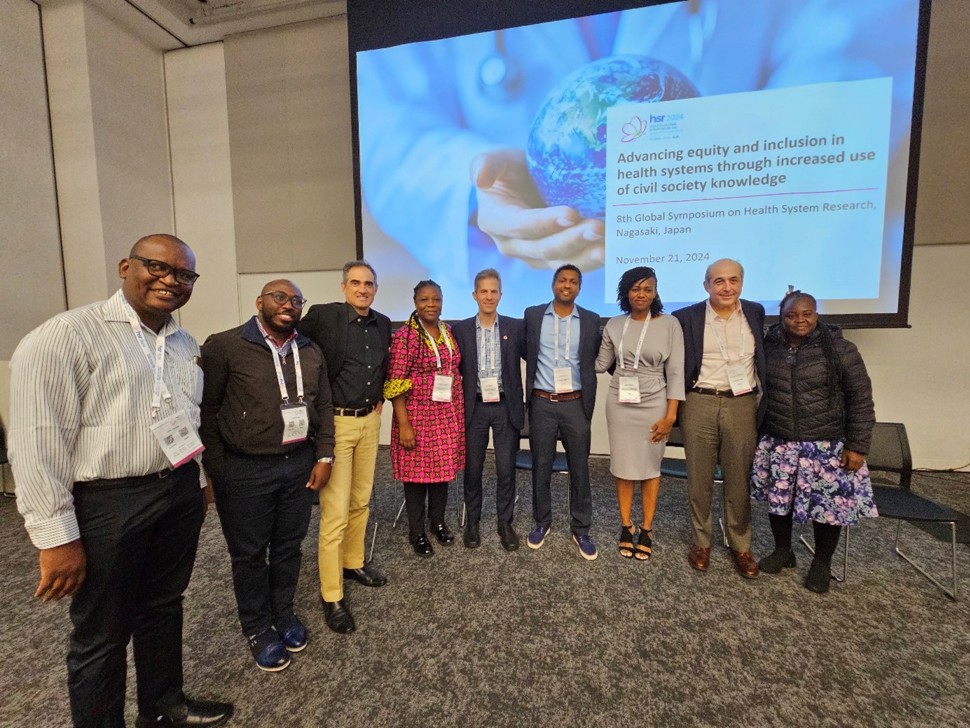
*The SUPPORT-SYSTEMS research consortium is formed by the Norwegian Institute of Public Health, University of Ghana, KEMRI Wellcome Trust, Norwegian University of Science and Technology, Western University of Applied Sciences in Norway, People’s Health Movement-Kenya and Health Information for All (hifa.org)