
BIS collaboration in Nepal
Last update
The overarching objective of BIS is resilient health systems that address population needs by contributing to stronger national (and regional) public health institutions.
BIS collaboration in Nepal Phase 2
Under the Norad-funded programme Building Stronger Public Health Institutions and Systems (BIS) phase 2, the Norwegian Institute Public Health (NIPH) will continue to cooperate with several institutions in Nepal with public health functions.
The BIS programme in Nepal
Nepal was a BIS phase 1 partner country (2023 – 2025) and will continue as part of the programme in phase 2, (2025 - 2029).
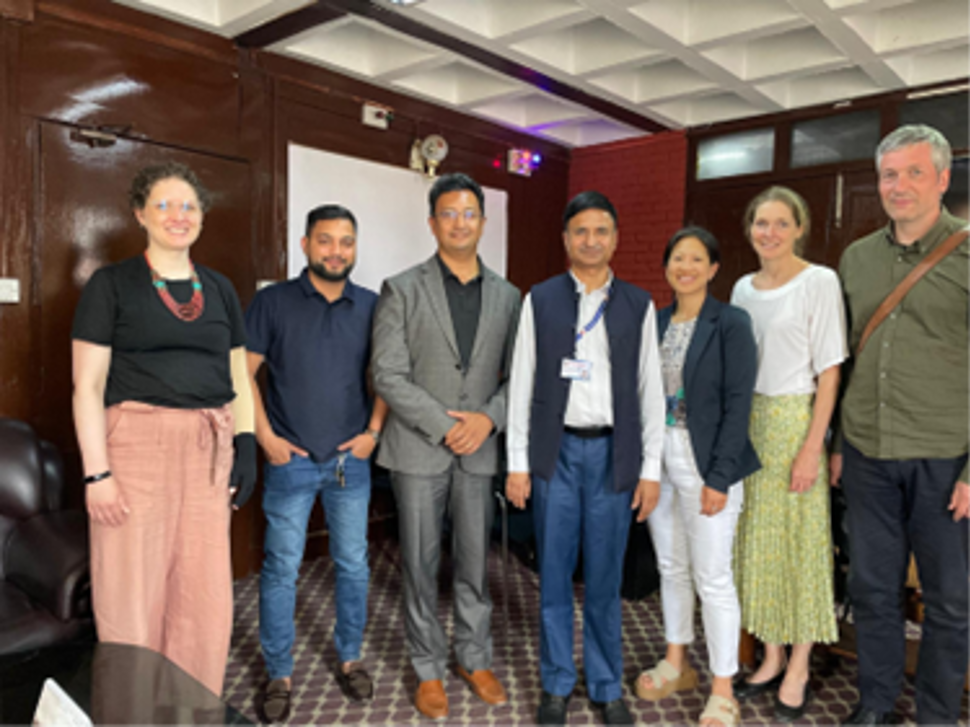
The BIS collaboration consists of peer-to-peer support and cooperation between employees at the NIPH and our collaborating partners in Nepal. Although the public health systems in Nepal and Norway are different, we have worked together with our partners in Nepal to identify priority areas where NIPH expertise can be of support to Nepal’s public health functions.
Main aims of BIS programme in Nepal
NIPH and our partner institutions in Nepal will work together over the course of the project towards strengthening the WHO Essential Public Health Function 11: Public health research, evaluation and knowledge development, on areas such as:
- Bridging the research - policy – practice divide, by focusing on an understanding of the key actors involved in evidence-informed policy and practice in the country.
- Strengthening the capacity to conduct high quality implementation research.
- Technically supporting the development and implementation of a climate and health/ planetary health course for masters of public health students.
Main Collaborating Partners
NIPH’s collaborating institutions in Nepal mirror NIPH’s social mission – to produce, summarise, and disseminate knowledge to support good public health efforts and healthcare services. to contribute to better healthThe Nepal Health Research Council (NHRC), an autonomous body under the Ministry of Health and Population (MoHP), promotes and coordinates health research that aims to improve the health status of people and inform public policy-making.

Kathmandu University School of Medical Science (KUSMS), is the main academic partner, a pioneering institution advancing the field of health sciences, training, research, and services in Nepal, in close collaboration with Dhulikhel Hospital (DH).
The Consortium of Academic Institutions for Public Health in Nepal (CAIPHEN) comprises the nine main academic institutes overseeing public health programmes. CAIPHEN aims to enhance the quality, relevance and implementation of public health education, policy and services.

Main achievements of BIS phase 1
- The Consortium of Academic Institutions for Public Health in Nepal (CAIPHEN), comprising nine academic public health institutes, was formed to enhance the quality, relevance and implementation of public health education, policy and services. Annual consortium meetings and an assessment of public health competencies in Nepal were conducted.
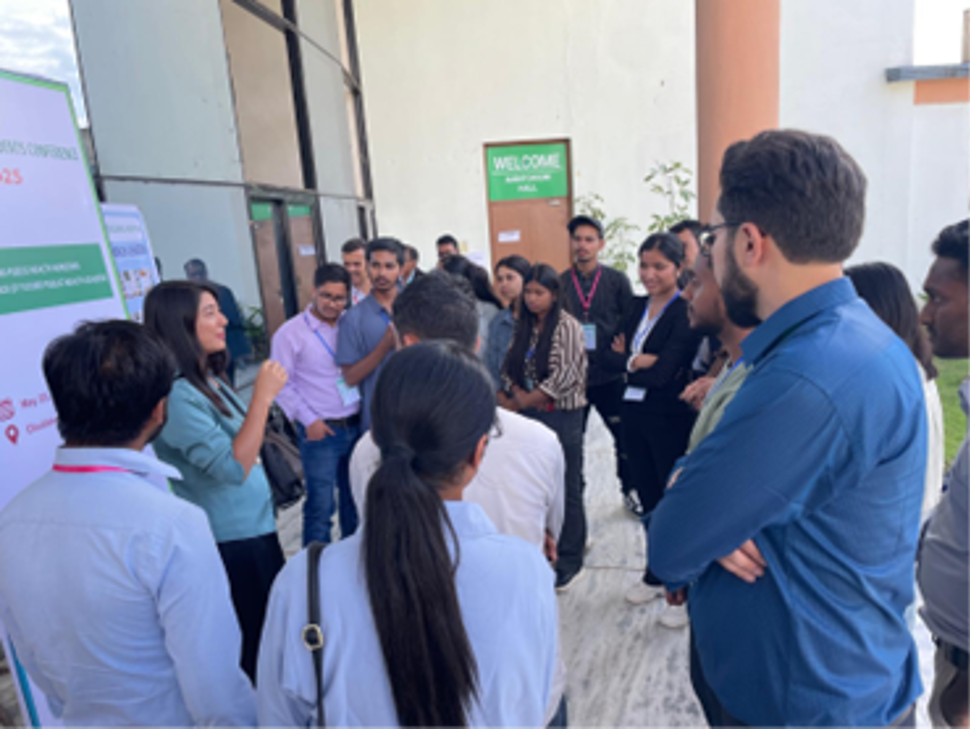
- Two Public Health Students’ Conferences, February 2024 and May 2025, hosted at KUSMS on behalf of CAIPHEN, brought together in total 580 students from across Nepal for networking and knowledge exchange.
- Two Planetary Health Courses were conducted in collaboration with NHRC and KUSMS to strengthen the knowledge between climate and health to adapt to and mitigate climate related health risks. The course laid the foundation for future program development and discussions.
- An Implementation Research Fellowship program was launched, in collaboration with NHRC and KUSMS, to strengthen the capacity of and collaboration between public health faculty and governmental officials. The fellowship emphasizes mentoring, practical training classes, and collaborative learning.
- A case study of Climate Change and Dengue in Nepal, focused on the health system’s resilience and response to the rise in dengue cases. It was conducted by NHRC and the Planetary Health Research Centre (PHRC), Kathmandu, in cooperation with the Norwegian Institute of Public Health (NIHP) upon request from the Norwegian Agency for Development Cooperation (Norad).
- The PhD Programme in Health Sciences at KUSMS was successfully established in November 2022, marking a major milestone in building advanced research capacity in Nepal. BIS-funded PhD candidates, affiliated with KUSMS and the NHRC, were selected to pursue studies under this program. This program will contribute to the development of a new generation of public health researchers.
- A joint successful grant proposal resulted in the IpreventNCD research project that aims to prevent and reduce non-communicable disease (NCD) risks among pregnant and post-pregnant women and their offspring.
- Three Next-Generation Sequencing and Bioinformatics Courses were conducted at Tribhuvan University – Central Department of Microbiology (TU-CDM), Tribhuvan University Teaching Hospital Institute of Medicine (TUTH-IOM), and KUSMS. The training brought together 69 staff and students from TU-CDM, TUTH-IOM, Warun, the National Public Health Laboratory, and KUSMS, in addition to Uppsala University, Savitribai Phule Pune University and NIPH as participating institutes fostering collaboration and strengthening technical expertise.
NIPH Collaborative Team
- Technical scientific overview and implementation science: Kjersti Mørkrid Blom-Bakke
- Planetary Health: Ernst Kristian Rødland
- Evidence-informed policy making: Elina Dale
- Evidence informed policy making and implementation science: Heather Melanie R. Ames
- Country coordinator: Silje Gunlaug Yun Eng