
BIS collaboration in Malawi
Last update
Under the Norad-funded Building Stronger Public Health Institutions and Systems (BIS) programme NIPH will continue its long-term collaboration with the Public Health Institute of Malawi (PHIMI).
The BIS programme in Malawi
The first contacts between PHIM and NIPH took place in 2007. The Global Health Preparedness Programme ran from 2015 to 2020 and BIS 1 lasted from 2021 to 2025. The current phase, BIS 2, started in September 2025 and will last until the end of 2029.
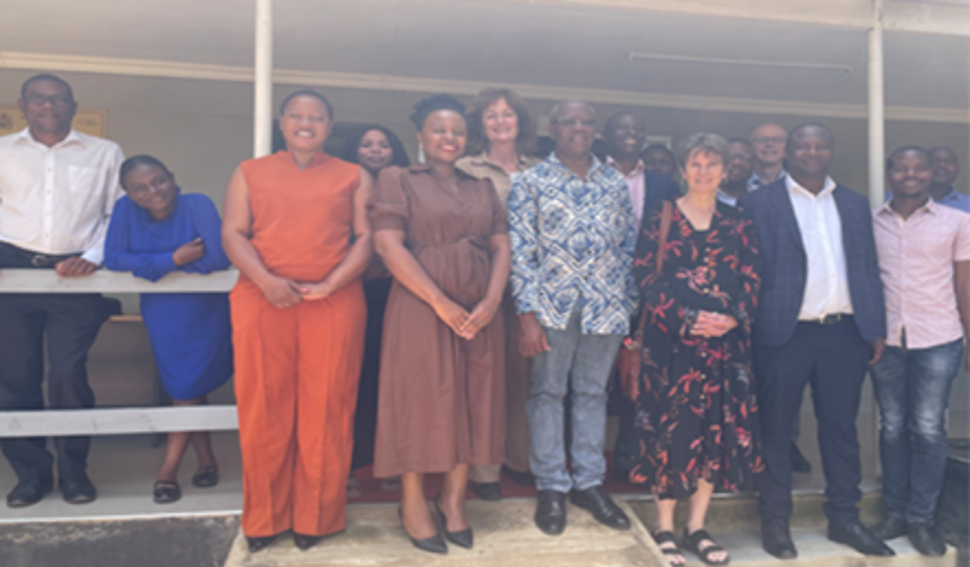
The BIS collaboration consists of peer-to-peer support and assistance on demand. Although the conditions in Malawi and Norway differ, and PHIM is a much younger institution with only a fraction of NIPH’s budget, the role of the two sister institutes - the essential public health functions they aim at filling- are very similar.
Therefore, experts at NIPH are well positioned to support their peers at PHIM. Long term presence, coordination and flexibility are key principles in our approach to ensure we do no harm to the structures we aim to support.
Main Aims of BIS in Malawi
The overall aim of the BIS collaboration is to support PHIM and thereby strengthen the core public health functions in Malawi. At the start of BIS 2, we are supporting a maturity assessment of PHIM, which, together with the lessons learnt and research findings from BIS 1, will guide us throughout the project period.
PHIM’s management has identified three specific areas for closer collaboration:
- Strengthening health security from a OneHealth perspective, by identifying and filling gaps in the surveillance and response chain. In BIS 2, emphasis is on the integrated disease surveillance (IDSR), outbreak investigation, biosafety and biosecurity, and strengthening the link between laboratory and epidemiology.
- Supporting competency building, including the supervision of a PhD candidate and the continued support of the new Malawian medical specialty (Mmed) in public health. In this context, we also seek to improve knowledge management by supporting access to medical, scientific literature through the development of library services at PHIM.
- Providing organisational support as PHIM prepares for potential transition from the Ministry of Health into a legal entity in its own right. This includes support in areas such as infrastructure, finance, networking and partnership coordination. We are also supporting PHIMs public health communication through its website, serving as a communication channel to health workers, decision makers and the public across the country.
Collaboration Partners
The Public Health Institute of Malawi (PHIM) is our main partner in Malawi. Founded in 2012, it is a directorate under the Ministry of Health. It now has around 100 employees and continues to grow. It has three main departments: Research and Development, Epidemiology and Surveillance, and the Reference Laboratory.
We also collaborate with the Kamuzu University of Health Sciences (KUHeS) in academic activities supporting the Mmed of Public Health, and a PhD student. The university, located in Blantyre, was established in 2019 through the merging of the College of Nursing and the College of Medicine.
Main Activities and Achievements under BIS 1
August 2025 marked the end of the BIS 1 programme after 4 years. Our main achievements included:
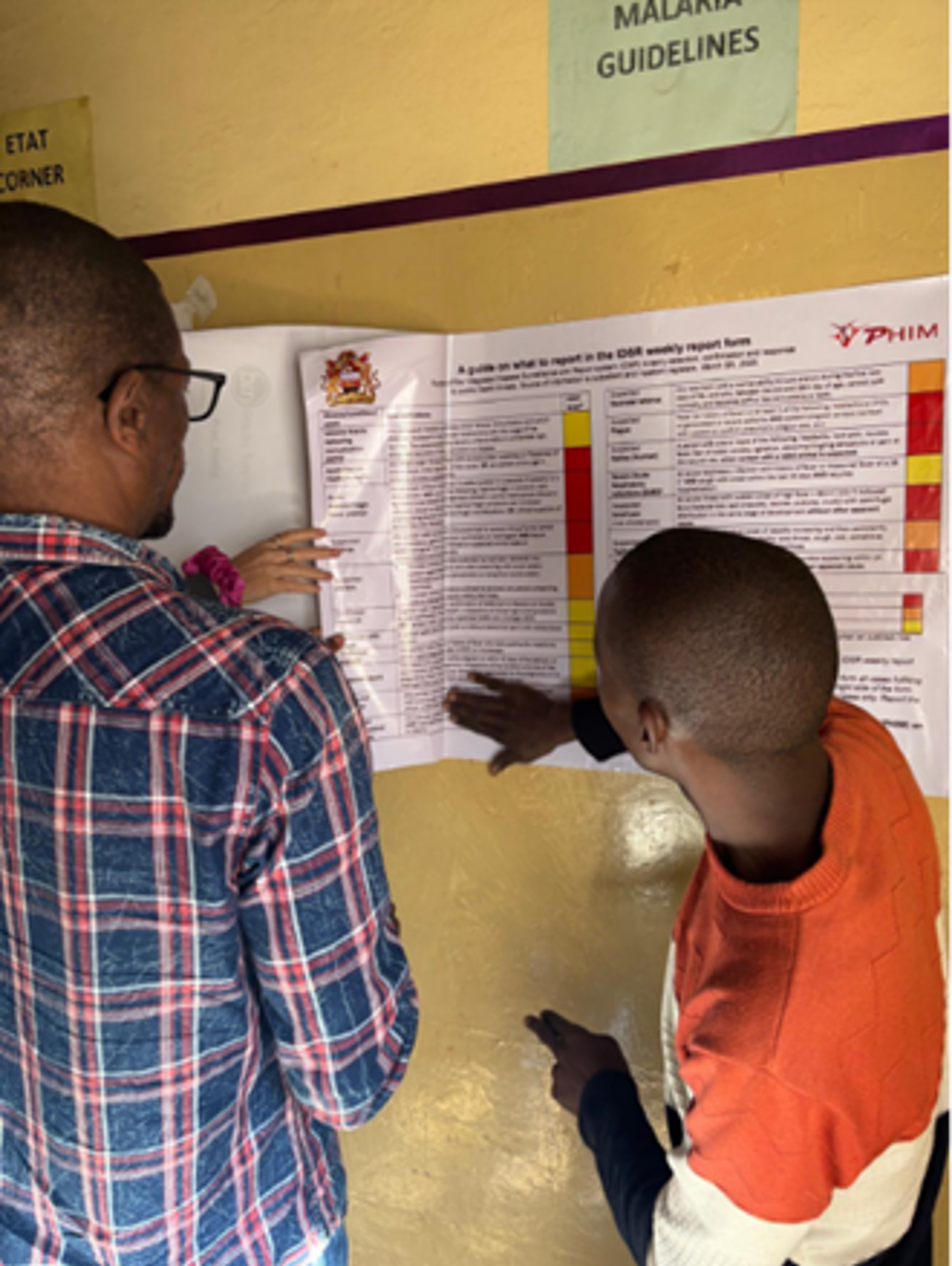
- A published in-depth analysis and subsequent improvements in the IDSR system in Malawi. This included a review of case definitions for IDSR and creation of case definition posters for all health centres in the country- also part of our PhD candidates research work.
- Development of a web site for PHIM as a communication channel with health workers, decisions makers and the general public in Malawi, featuring updated dashboards, reports, news etc.
- Revival of a competency based medical specialty (Mmed) in Public Health. Revision of curriculum, exchange with similar programs, generation of a framework for implementation and practical tools, and supervision to the first candidate.
- Support to PHIM’s work to establish national guidelines on biosafety and biosecurity and training of participants from both the human and animal sector (both in Lilongwe and Blantyre). We also provided equipment and training laboratory fire safety.
- Technical and organisational support for the Joint External Evaluation (JEE) 2024.
- Installation of solar panels to ensure a reliable electricity supply - crucial for PHIM’s coordination role during public health emergencies- along with other infra structure support such as signposts, security doors, chairs and computers for new staff.
- Support for the establishment of an institutional account to cover PHIM’s operational costs.
- Contributed to the national response to the Mpox outbreak in 2025, by supporting training for health personnel in affected districts, radio and TV information spots, and assisting with response coordination.
NIPH Collaborative Team
- Technical lead: Trude M Arnesen
- Country coordinator: Mari Nythun Utheim
- Technical support from NIPH: Siri Feruglio, Karine Nordstrand, Hannah Jørgensen, Kjetil Berg Veire, Andrea Indrehus Furuli
Related articles
External links
- Insights from Malawi´s Deep Dive of the Integrated Disease Surveillance System
- «Det Afrika vi vil ha» (Bistandsaktuelt.no)
- Skadevirkninger av workshops (kronikk, panoramanyheter.no)
- Reisebrev fra Malawi nr. 1, Utposten 2022, utgave 4
- Reisebrev fra Malawi nr. 2, Utposten 2023, utgave 2
- Reisebrev fra Malawi nr. 3, Utposten 2023.pdf
- Reisebrev fra Malawi, nr. 4 2024.pdf