
What is I4C?
Article
|Last update
Get to know I4C – from the population and data to the methods and collaboration.
I4C is an innovative global collaboration aiming to prevent cancers in childhood, adolescence, and young adulthood. For 20 years, it has carried out projects using data and biological samples from large international birth cohorts. Since 2024, it has been coordinated by the Norwegian Institute of Public Health (NIPH). Previously, it was coordinated by the Murdoch Children’s Research Institute, Australia.
The severity and global impact of cancer in children, adolescents, and young adults underscore the urgent need for effective preventive strategies.
Unlike adult cancers, the causes of cancer in children, adolescents and young adults are largely unknown (see also Childhood cancer at who.int).Their relative rarity makes it challenging to investigate environmental and biological risk factors. Even large cohorts often lack sufficient statistical power to detect associations between common exposures and cancer risk.
I4C addresses this limitation by consolidating aggregated data across continents.
Study population
I4C cohorts comprise over 1.5 million individuals, including approximately 700,000 children, 600,000 mothers, and 200,000 fathers This extensive dataset enables I4C to support robust and meaningful research into the origins of cancer that would not be feasible within individual cohorts alone.
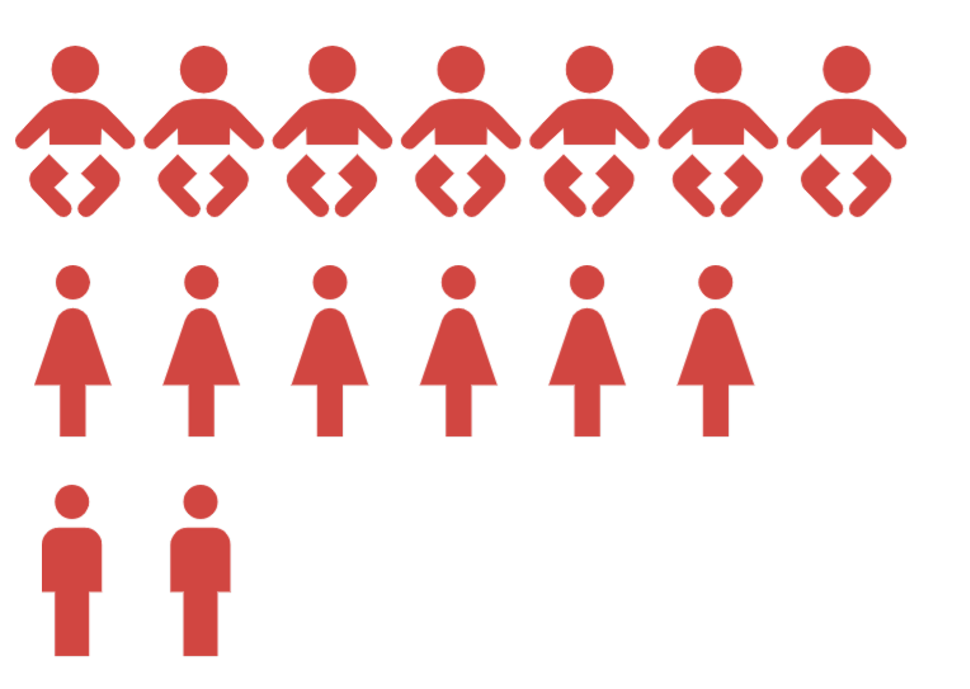
Until recently, I4C focused primarily on childhood cancer. Recognizing that early-life exposures may have long-term health effects, and given the rich longitudinal data available, the Consortium has expanded its study population to include adolescents and young adults. The age range is defined by the diagnosis being studied.
Exposures and biological data
Exposure data are collected from pregnancy onwards and include detailed information on socioeconomic, lifestyles, nutritional, toxic, social and psychological factors. Biological samples allow for in-depth studies of how environmental exposures affect physiological systems and enable research into gene–environment interactions.
Five continents, seven decades
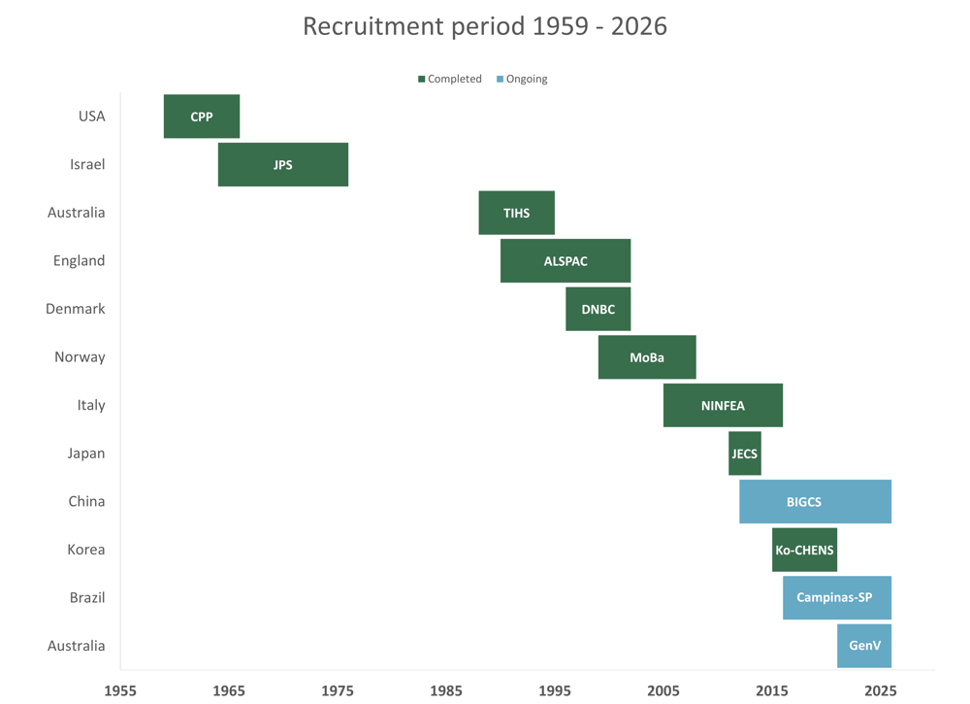
The international breadth and long historical reach of the collaboration make it possible to study exposures that are shared across populations as well as those specific to particular regions and time periods. I4C brings together cohorts from Asia, Australia, Europe, and North and South America, spanning more than seven decades of data collection; from the Collaborative Perinatal Project initiated in 1959 to large cohorts that are currently recruiting. This extensive coverage of time and place enables unique comparisons of disease incidence and exposure–disease relationships across diverse settings.
Data protection and Analytical methods
The I4C respects personal data in accordance with GDPR (Europe) and national laws. It develops a system of federated analysis plans, which means that a certain analysis is performed locally in each cohort based upon a common protocol, allowing for sharing of aggregated results. Individual-level data are only shared in compliance with national laws.
Information shared between the partners in the consortium has the same level of detail as the published information, as a rule.
Impact
There is a significant gap in the outcome of cancer treatment between high and low-income countries. One potential impact of I4C’s collaborative efforts is the identification of factors that could lead to low-cost, effective treatments decreasing this gap. I4C supports international cooperation and has the potential to inform prevention and treatment strategies that could save lives and reduce long-term healthcare costs.
The Consortium and collaboration
I4C currently includes 12 cohorts, with the most recent expansion in 2024, adding the Korean Children’s Environmental Health Study (Ko CHENS), the Born in Guangzhou Cohort Study (BIGCS), and Generation Victoria (GenV).
The I4C Steering Committee is composed of project leaders from institutions responsible for the cohorts, several initiators and/or current principal investigators (PIs), as well as representatives from the International Agency for Research on Cancer (IARC), the World Health Organization (WHO), and the National Cancer Institute (NCI) of the U.S. National Institutes of Health (NIH).
The Steering Committee holds regular bi-monthly virtual meetings and an annual hybrid meeting, which all collaborators and interested parties are invited to attend.
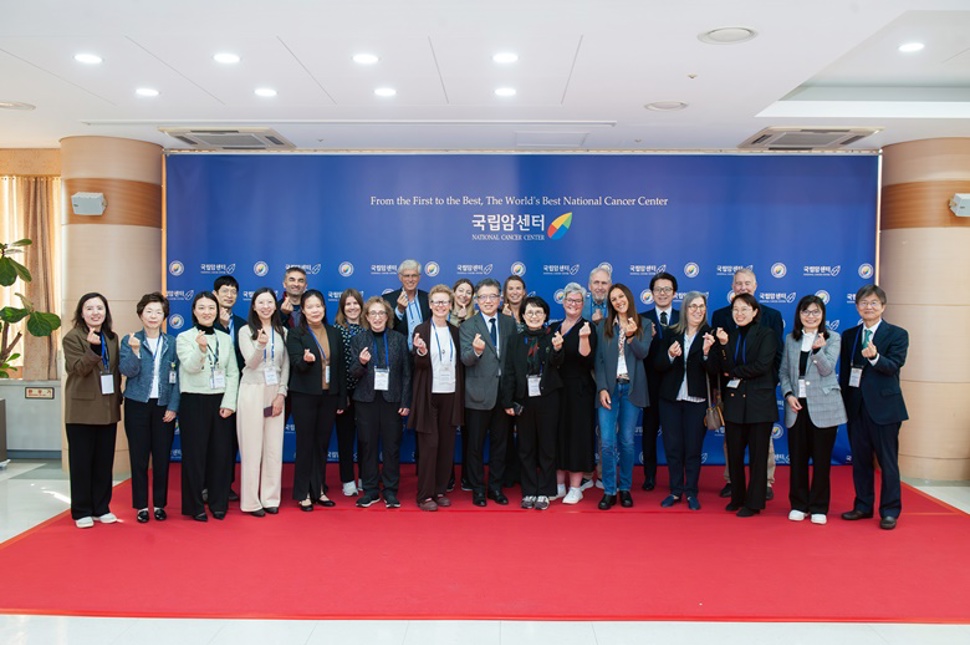
We continue to welcome new projects, collaborators and cohorts to join the Consortium.
Please see the Policies and procedures document (fhi.no) for information on how to collaborate with I4C.
History of the I4C
The consortium has been active since 2005, originally initiated from and coordinated by the Murdoch Children’s Research Institute in Australia. It has been coordinated by the Norwegian Institute of Public Health (NIPH) since 2024.
Learn how I4C was established and how it has developed over the past 20 years in the video beneath.
Learn more on the The cohorts in the I4C (fhi.no) and our Publications from the I4C (fhi.no).